Perseids

Peak Date

Aug 12-13

Rate

~25 Meteors/Hr

Comet of Origin

109P/Swift-Tuttle

Radiant

Perseus


About Perseids

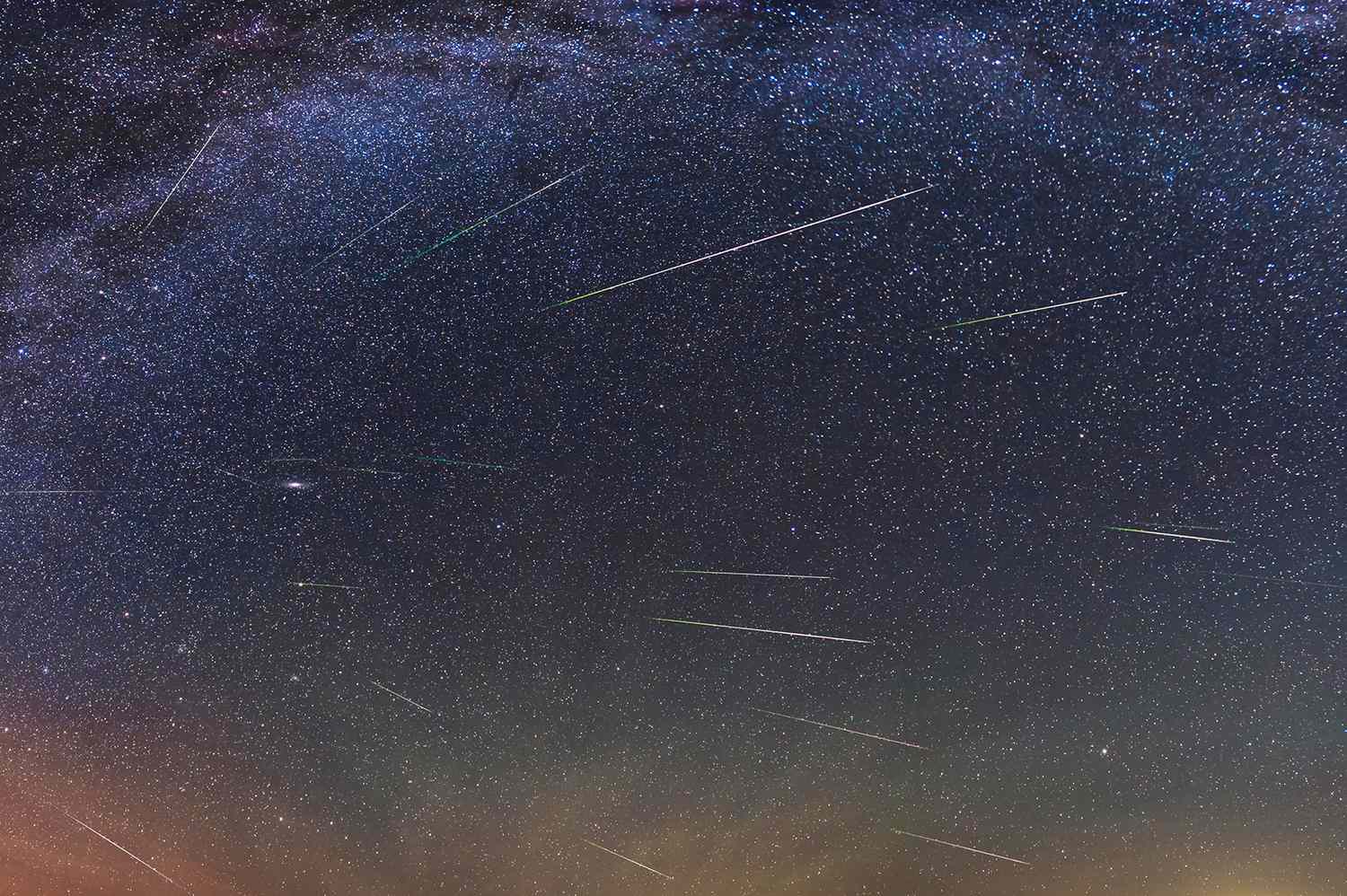
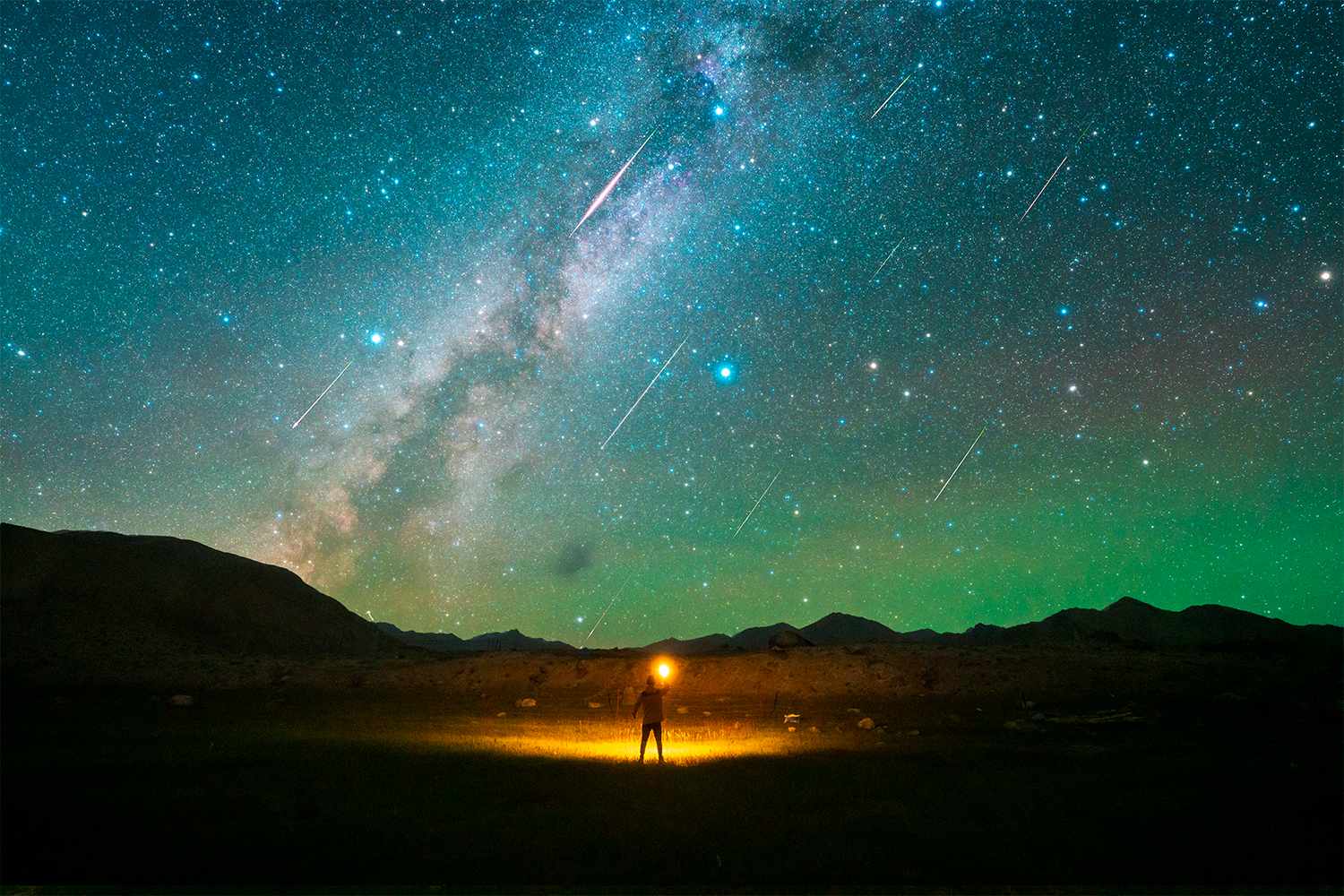
The Perseids are a meteor shower that occurs annually in mid-August. They are associated with the comet Swift-Tuttle, and their radiant point is located in the constellation Perseus. The shower is known for producing bright meteors, often with long-lasting trails, and can be best observed in the late evening to pre-dawn hours. The Perseids typically peak around August 12th or 13th, and under ideal conditions, observers can see up to 100 meteors per hour.


Viewing Tips

To get the best view of the Perseids, find a location away from city lights with a clear view of the northeastern sky. The Northern hemisphere is the best spot for viewing. It's best to observe during the late evening to pre-dawn hours when the radiant is higher in the sky. Allow your eyes to adjust to the darkness for about 20-30 minutes, and be patient, as meteor showers can be unpredictable. Bring a comfortable chair or blanket to lie on, and consider using binoculars or a telescope for a closer look at any bright meteors that may appear.


Explore More